Self-Paced AI & Machine Learning Internship (Recorded + Practical | 1 Month)

About Course
This course includes interactive video lessons with voice narration and a built-in Python code editor. Please open it on Chrome on a laptop or desktop for the full experience.
🚀 Virtual AI & Machine Learning Internship – (1 Month)
🎯 Watch this short video to understand how this internship prepares you for real-world AI careers.
• Self-paced 1-month internship with real-world project implementation
• Hands-on training using industry datasets and practical ML workflows
• End-to-end Capstone Project with dedicated instructor evaluation
• Internship Completion Certificate issued within 24 hours of project approval
• Includes Offer Letter, Letter of Recommendation, and Training Certificate
📌 Limited seats per batch. Early enrollment recommended to avoid missing the next intake.
📌 Program Details
• Duration: 1 Month (4 Weeks) — Self-Paced
• Mode: Recorded Video Lessons + Interactive Coding Labs
• Instructor Involvement: Capstone Project Evaluation & Certification only
• Prerequisites: Basic programming knowledge (preferably Python) is recommended
📅 WEEK 1 – Python & Statistics Foundation
🟢 Python Programming
Students learn the fundamentals of Python required for AI/ML, including variables, loops, functions, and data structures. Hands-on exercises improve logical thinking and coding confidence. The focus is on building a strong programming base.
🟢 Statistics for Data Science
This module covers essential statistical concepts such as mean, variance, probability, and correlation. Students understand how mathematical concepts support machine learning algorithms. Practical examples help connect theory with data-driven decision making.
📅 WEEK 2 – Data Handling & Visualization
🟢 NumPy
Students learn numerical computing using arrays and mathematical operations. NumPy enables efficient data manipulation required for machine learning tasks. Practical coding ensures clarity in array handling.
🟢 Pandas
This module focuses on working with structured datasets using DataFrames. Students learn data cleaning, handling missing values, filtering, and grouping techniques. It prepares them for real-world data management.
🟢 Data Visualization
Students create meaningful visualizations using Matplotlib and Seaborn. Charts like histograms, bar graphs, and heatmaps help identify trends and patterns. Visualization enhances analytical thinking.
🟢 Exploratory Data Analysis (EDA)
Students analyze datasets to discover patterns, relationships, and outliers. EDA helps generate insights before applying machine learning models. This is a critical step in real-world data science workflows.
📅 WEEK 3 – Machine Learning Algorithms
🟢 Introduction to Machine Learning
Students understand supervised and unsupervised learning concepts. They learn about training and testing datasets, overfitting, and model evaluation. This builds a strong foundation for implementing algorithms.
🟢 Supervised Learning
Students implement algorithms such as Linear Regression, Logistic Regression, KNN, and Decision Trees. They learn to build predictive models using labeled datasets. Hands-on practice strengthens conceptual clarity.
🟢 Unsupervised Learning
Students explore clustering techniques like K-Means. They learn how to group data without predefined labels. This is useful for customer segmentation and pattern recognition.
🟢 Model Evaluation
Students learn to measure model performance using accuracy, precision, recall, and other metrics. They understand how to improve model reliability and efficiency. Evaluation ensures practical and effective AI solutions.
📅 WEEK 4 – Capstone Project & Internship Conclusion
🟢 Capstone Project Development
Students work on an end-to-end real-time capstone project. They apply data cleaning, EDA, model building, and evaluation techniques to solve a practical problem. This ensures complete hands-on industry exposure.
🟢 Project Documentation
Students prepare structured project documentation covering problem statement, dataset description, methodology, model results, and conclusions. The completed documentation is submitted to the Synkoc instructor along with the Jupyter Notebook for capstone evaluation..
🟢 Final Presentation & Review
Students submit their capstone project and documentation to their Synkoc instructor for evaluation. The instructor reviews the ML pipeline, EDA quality, and results, then conducts a one-on-one evaluation session. Successful completion unlocks the Internship Completion Certificate, Training Certificate, and Letter of Recommendation — all issued within 24 hours of approval.
Course Content
💼📄 Internship Offer Letter
🚀 Generate Offer Letter
🤖📘 AI / ML_Reference_Guide by Synkoc
WEEK 1 – Python & Statistics Foundation
WEEK 2 – Data Handling & Visualization
WEEK 3 – Machine Learning
WEEK 4 – Capstone Project & Internship Conclusion
🎓 Request Your Internship Completion Certificate & Letter of Recommendation
🎓 Training Completion Certificate Request
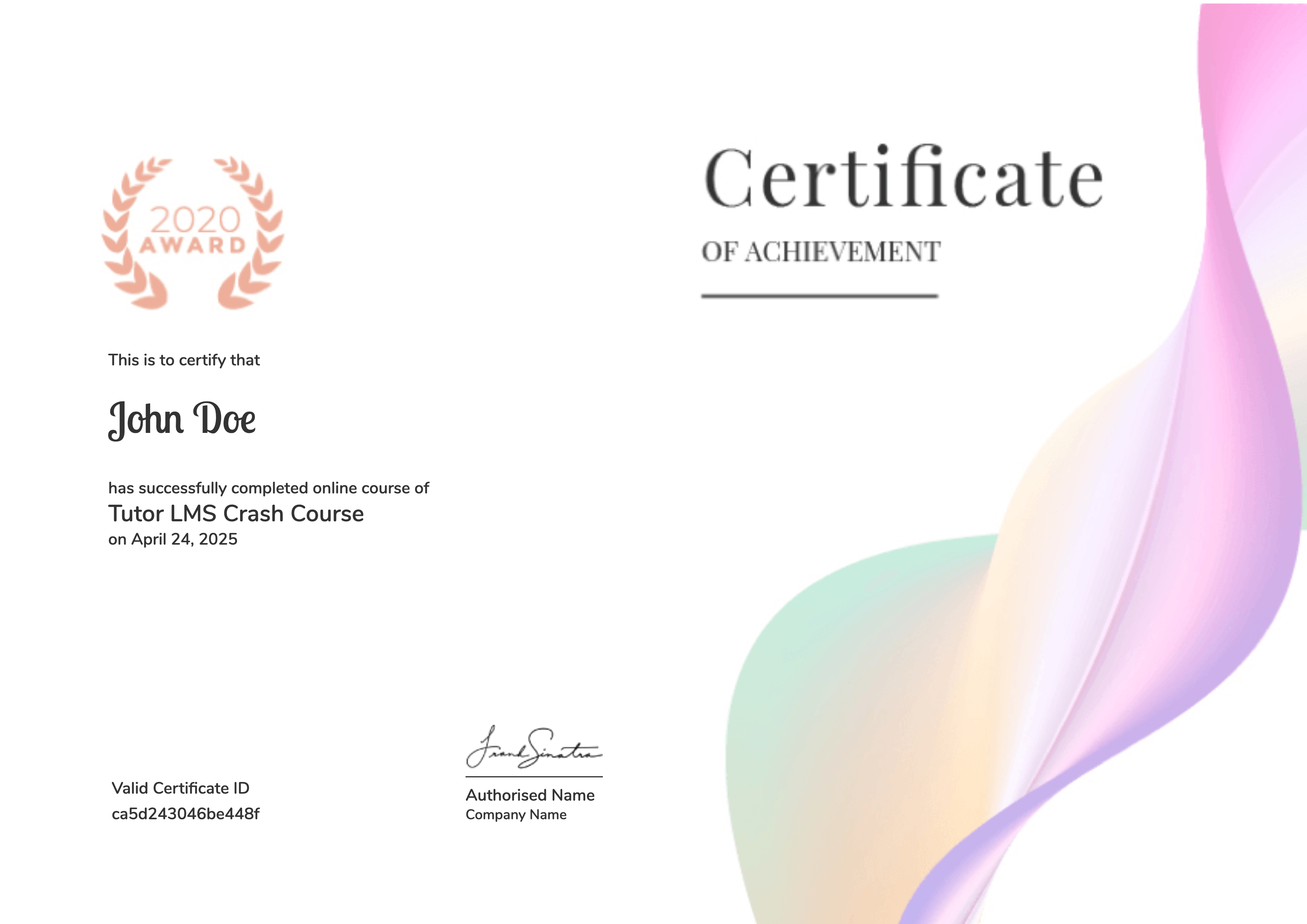
Earn a certificate
Add this certificate to your resume to demonstrate your skills & increase your chances of getting noticed.
Student Ratings & Reviews